Removal Company in the UK

Our removal company service in the UK is built around straightforward, careful moving support for homes and businesses that need organised transport, loading and unloading, and a sensible plan for the day. We handle the practical parts of moving with a focus on protecting belongings, keeping access in mind, and making the process easier to manage from the first enquiry through to completion. If you need a removal company that can support a local move, a longer-distance move, or a smaller transport job, the service is designed to be clear and adaptable.
The main work covers collection, safe carriage, placement at the destination and, where required, supportive packing and unpacking. Customers often want help with bulky furniture, mixed household contents, office items or a load that is too awkward for a standard car or van. We can also discuss services linked to house removals and office removals, so the move can be matched more closely to the property, the access and the amount of furniture involved.
For a quotation, it helps to set out what needs moving, how the premises are accessed and whether there are fragile or heavy items that require extra care. The most useful estimates usually reflect volume, labour needs, vehicle size and any handling constraints rather than guesswork. If you are planning ahead, send a clear description of the job and ask for a quote in plain terms.
Home removals arranged around your property
Our home moving service is suited to people relocating from flats, terraces, family houses or shared accommodation. The key difference between a smooth move and a difficult one is usually preparation, so we focus on the practical details that affect loading and unloading: stairways, parking, narrow halls, lifts, long carries and where large furniture needs to go. A well-planned move reduces handling risks and helps the day feel more orderly.
Home removals can include a single-item transport request or a full household move, depending on the size of the load. Customers may need help with beds, wardrobes, dining sets, white goods, boxes and mixed loose items. We can also support moves that involve careful dismantling and reassembly where suitable, plus packing and unpacking services when the job calls for extra organisation before or after transit.
What a domestic move can involve
Practical handling from collection to delivery

Domestic moving work is rarely only about transport. Items often need to be wrapped, stacked in a way that protects surfaces, and loaded so the weight is balanced properly. This is especially important for furniture with glass, polished finishes or awkward dimensions. Our approach aims to keep everyday household possessions secure while still allowing the move to progress at a sensible pace.
Typical decisions for a homeowner or tenant include whether to move everything in one journey, what can be packed in advance, and which items should be kept aside for personal transport. If you are comparing options, it may help to look at home moves alongside broader removal services. That gives you a clearer sense of how a standard moving day can be shaped around the property rather than forced into a fixed format.
Useful preparation is simple: make a short list of the larger pieces, identify anything fragile, and let us know about access issues such as parking restrictions or stairs. You do not need to overcomplicate the enquiry; a concise description is enough to begin the quotation process. Keep an eye on what you want moved first, then ask for a quote once the scope is settled.
Office removals and commercial relocation support
Business moves need a different kind of organisation because the load may include desks, chairs, filing, IT equipment and documents that should not be mixed up. Our commercial moving support is aimed at keeping the transfer methodical so that items are moved in the right order and placed correctly at the other end. Careful labelling and a sensible loading plan can make a noticeable difference when a workplace has limited time to relocate.
A commercial move can range from a small office to a larger multi-room premises. Depending on the job, we can discuss commercial moves, office relocation services and specific office removals for business customers who want a more focused service. These pages may help you decide whether you need a simple transport job, a full relocation or support with more organised handling of equipment and furniture.
Before requesting a quotation, it is useful to think about what must be moved, whether the workspace has lifts or loading access, and whether fragile equipment needs special care. A clear plan helps to reduce interruptions and makes it easier to choose the right vehicle and team size. Ask for a quote once you have the basic scope in hand.
Man and van options for lighter removals
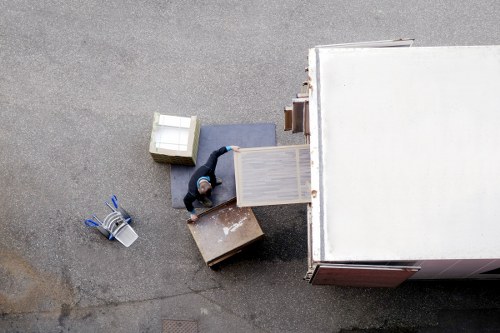
For smaller moving jobs, a man and van arrangement can be a practical choice. It suits collections, partial house moves, student moves, individual furniture pieces and loads that do not justify a larger removal vehicle. The service is best used when the emphasis is on flexibility, straightforward handling and efficient transport rather than a highly complex relocation plan.
People often choose this format when they need help moving items from more than one room, collecting furniture after a purchase, or carrying a mix of boxes and bulky goods. It can also be useful where access is restricted and a larger vehicle would be awkward. Related pages such as man and van, man with van and man with van removal can help set expectations about this type of work.
When asking for pricing, describe the item count, the heaviest pieces and whether the job includes stairs or long carries. That gives a better basis for estimating labour and vehicle space. A brief description is usually enough to request a quotation without needing a long explanation.
Furniture pick-up and individual item transport
Not every job is a full house move. Sometimes the need is simply to move a sofa, bed frame, wardrobe, appliance or a small collection of items from one property to another. Our furniture pick-up work is intended for those cases where a single piece or a modest load still requires the right handling, careful lifting and sensible protection during transit. It is often the most efficient way to move objects that are too heavy or large for ordinary transport.
If a piece has awkward proportions, removable parts or delicate surfaces, planning matters even for a small job. The item may need wrapping, dismantling or support while being carried through tight spaces. You can view furniture pick-up and compare it with removal van or removals van options when you need to decide how much carrying support and vehicle space will be required.
A good enquiry includes the item type, approximate size, collection point and delivery point. If there are stairs, basement access or limited parking, mention that too. A short message with those details is usually enough to ask for a quote.
Packing, protection and loading methods

Good removals depend on how items are protected before they are loaded. We can work with packing materials, blankets and careful stacking so that boxes and furniture do not shift more than necessary in transit. The aim is to reduce scuffs, knocks and pressure damage, especially where a load contains mixed contents with different shapes and weights.
This stage is also where practical decisions are made about what should travel together and what should be separated. Clothes, books, kitchenware, office supplies and loose household items may be grouped in different ways so that unloading is easier at the other end. If you want support with preparation, the page on packing and unpacking services explains the kind of help that can be arranged alongside transport.
Try to keep a simple inventory of the items you want moved. You do not need a formal spreadsheet unless the job is large; even a rough list helps. Once you know the scope, ask for a quotation and make any special handling needs clear at the same time.
Vehicles, loading and transport planning
Choosing the right transport is a practical part of any removal job. A smaller load may suit a van-based service, while larger household contents or heavier furniture may call for a more substantial moving vehicle. The correct choice reduces wasted space, avoids unnecessary trips and helps the loading plan match the shape and weight of the items being carried. It also matters where the property has tight access or restricted parking.
Relevant service pages such as moving van, moving truck and removal truck hire can help customers think through the difference between a compact transport option and a larger carrying arrangement. In practice, the best choice depends on what is being moved, how much room the load requires and whether the route or access points create limits.
When requesting a quotation, give enough detail to let the moving plan be shaped properly: item type, estimated quantity, collection and delivery points, and whether loading assistance is needed at both ends. That information makes the estimate more useful and reduces the chance of misunderstandings later.
Household and business removals compared

Although domestic and commercial jobs both involve moving belongings safely, the priorities can differ. Household removals often focus on furniture, personal effects and room-by-room organisation, while business removals may need clearer labelling, careful handling of equipment and more attention to keeping items grouped by department or use. Understanding the difference helps customers choose a service that fits the type of move they are planning.
If you are unsure which page is the best match, it may help to compare removals, removal company and removal companies alongside the specific service pages for homes or offices. Those links reflect different ways people search for moving support, but the underlying decision should still be based on the actual load, the property layout and the level of help needed on the day.
For a quotation, keep the request direct: what is moving, where it is going and what practical constraints matter. That is usually enough to start a useful discussion. If you are ready, ask for a quote now and include the key details in one clear message.
About the UK
The United Kingdom is a sovereign state made up of four constituent countries: England, Scotland, Wales and Northern Ireland. Its geography is varied enough to create a striking range of landscapes within relatively short distances, from the rolling uplands and long coastlines of the north and west to densely built metropolitan centres in the south and Midlands. The country’s history can be read through its layered settlements, road networks, port towns, industrial cities and rural market communities, many of which still preserve traces of earlier periods in their street patterns and building stock. In London, Westminster Abbey, the Palace of Westminster and the British Museum sit within a capital that combines ceremonial institutions with everyday commercial districts, while other cities such as Manchester, Birmingham, Glasgow, Cardiff and Belfast reflect different phases of urban growth, manufacturing, shipping and civic development. Across the country, architecture ranges from medieval churches and timber-framed buildings to Georgian terraces, Victorian warehouses, post-war housing estates and contemporary glass-fronted developments. Parks and waterways add further variety: the Thames, the Severn, the Mersey, the Tyne, the Trent and countless canals have shaped transport, trade and leisure, while national parks such as the Lake District, Snowdonia, the Peak District and Cairngorms show the scale of the natural landscape beyond the cities. Cultural life is similarly broad, drawing on regional accents, local traditions, universities, theatres, football clubs, museums and festivals that differ from place to place. Together these features make the UK a place of many distinct settings rather than a single uniform landscape, with each region carrying its own mix of history, built form and everyday character.
Getting ready for a quotation
Good quotations are usually based on the facts of the job rather than broad estimates. The easiest way to request one is to describe the move in practical terms: the rooms involved, the larger items, the distance between collection and delivery points, and any access issues such as steps, narrow entrances or parking limits. If there are items that need extra care, say so early, especially if they are fragile, heavy or awkward to carry. This keeps the reply relevant and saves time.
It can also help to decide whether you need help with packing, dismantling, lifting or reassembly before you ask. A move that includes these tasks may need a different schedule from a straightforward transport job. For customers comparing options, the pages on house removalists, house movers and man and van removals provide further context for how moving support can vary according to the amount of work involved.
Once you know the scope, send the information together and ask for a quotation in plain language. If you are arranging the move soon, make contact as soon as you can so there is time to assess the job properly and confirm the best approach.
Service range and next steps
Our removals work is centred on practical moving support rather than overcomplicated packages. Depending on the job, that may mean a full household relocation, office transport, assistance with a few bulky items or help matching a move to the right vehicle and loading plan. The core principle is the same in each case: move items safely, keep the process orderly and make the service fit the scope of the task instead of forcing the task into a fixed mould.
Customers who are comparing moving options often want to understand what is available before they commit. The pages on removal services and removals near me can be useful starting points if you are still deciding how broad the work needs to be. For pricing and service information, the page on pricing and quotes is the best place to continue once you have a rough idea of the job.
When you are ready, ask for a quotation with as much useful detail as you can provide. A concise description is enough to begin, and the final step is simply to send the move information and request a quote.


